

Napoli Shkolnik, a national leader in environmental litigation and a key member of the PFAS Settlement Steering Committee, played a pivotal role in securing the landmark $14 billion settlement against chemical giants 3M, DuPont, Tyco and BASF. Under the agreement, these companies will distribute funds to cities, counties, and other public water providers across the U.S. to test for and remediate contamination from perfluoroalkyl and polyfluoroalkyl substances (PFAS), commonly referred to as “forever chemicals.” This case, which addressed widespread PFAS pollution in public water systems, marked a watershed moment in environmental accountability—setting a powerful precedent that manufacturers can and should be held financially responsible for the harm caused by their products.
Now, Napoli Shkolnik is helping lead a new front in environmental litigation: holding plastic manufacturers accountable for the global plastic pollution crisis. Around the world, lawsuits are mounting as the health, environmental, and economic consequences of decades-long reliance on degrading plastics come into sharper focus. Microplastics—defined as particles smaller than 5 millimeters—have infiltrated nearly every part of our ecosystem, from oceans and rivers to soil and air. Even smaller nanoplastics (less than 1 micrometer) can enter the bloodstream and accumulate in cells and organs. A recent study published in the New England Journal of Medicine linked microplastics to serious cardiovascular risks, including heart attacks and strokes.
“In many ways, the plastics litigation is following the same arc as PFAS,” said Paul Napoli, a founding partner at Napoli Shkolnik. “There was denial, delay, and now undeniable harm. These corporations must be held accountable not only for polluting our environment, but also for misrepresenting the safety and sustainability of their products.”
In Baltimore, Maryland, city officials are taking action. A groundbreaking lawsuit targets major plastic polluters—PepsiCo, Coca-Cola, and Frito-Lay—accusing them of fueling a growing waste crisis that has burdened local governments and taxpayers. Filed by Mayor Brandon Scott, the City Council of Baltimore, and a coalition of law firms including Napoli Shkolnik and Milberg, the lawsuit points to the $70 million the city spent from 2018 to 2022 to clean up plastic waste attributed to the defendants. Despite widespread evidence of harm, these corporations continue to produce over 400 million metric tons of plastic each year, all while promoting narratives of sustainability that often prove misleading.
“As an environmental litigator, I’ve seen how these burdens fall hardest on low-income communities,” said Coral Odiot-Rivera, partner at Napoli Shkolnik. “Plastic waste clogs their waterways, pollutes their drinking water, and drains local resources. This litigation is about justice, equity and giving communities a voice against corporate negligence.”
Much like in the PFAS case, plastic manufacturers have failed to warn consumers of the long-term health and environmental risks associated with their products. The consequences are evident: polluted waterways, costly infrastructure upgrades, and expensive filtration systems—costs that are often passed on to residents, especially in low-income communities already disproportionately affected by environmental hazards.
Holding plastic producers accountable for the entire lifecycle of their products—from production to post-consumer pollution—is a critical step toward long-term environmental protection and justice. As demonstrated by the PFAS litigation, the road ahead will likely require sustained legal pressure, heightened public scrutiny, and a systemic shift in how we assign responsibility for environmental harm.
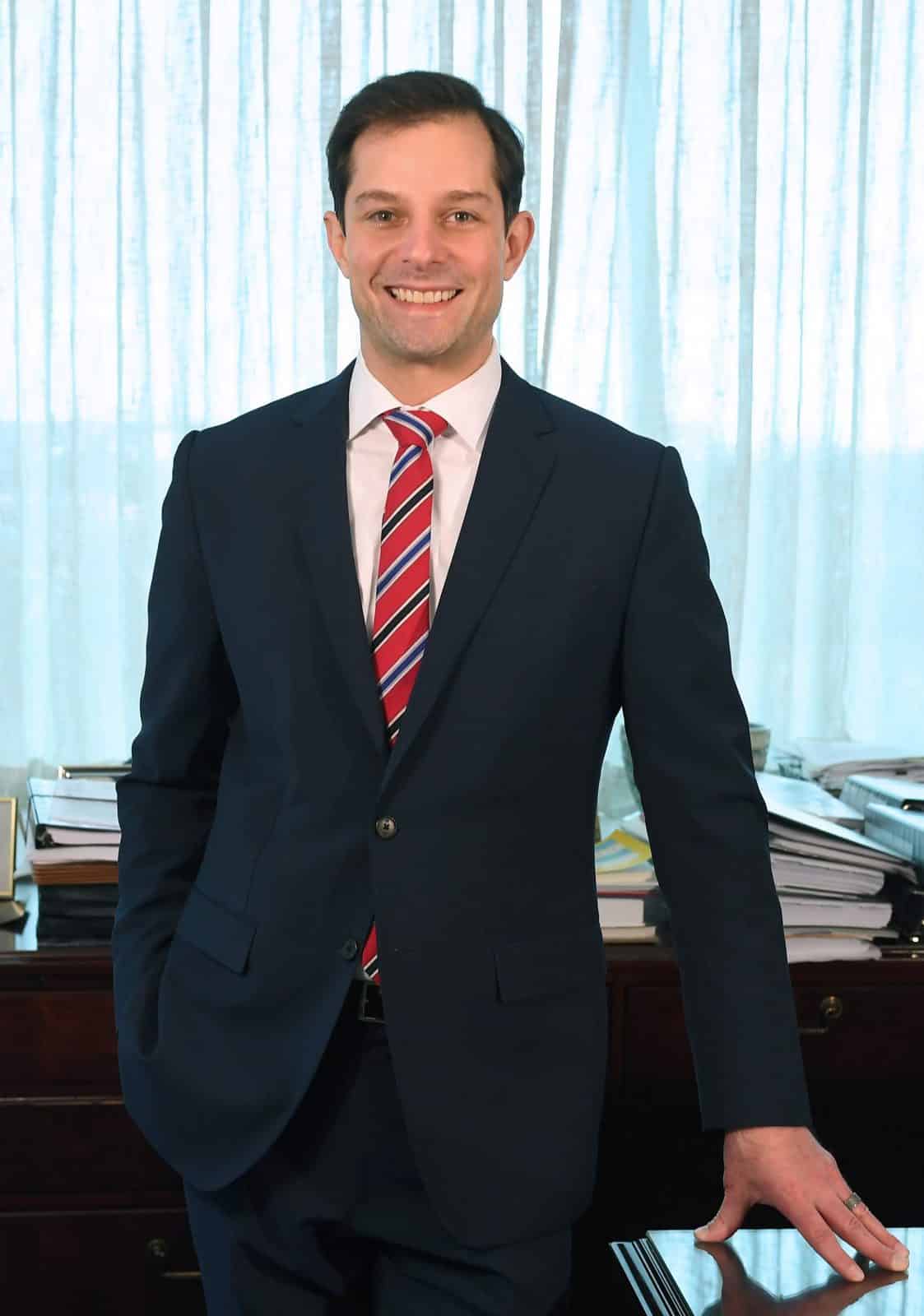
Partner, Napoli Shkolnik
Chris Schnieders is an accomplished civil litigator, nationally recognized for his expertise in environmental litigation, professional liability, and personal injury cases. He has played a pivotal role in landmark Roundup litigation, representing the National Black Farmers Association in a lawsuit against Monsanto, filing additional claims on behalf of individuals nationwide. Mr. Schnieders also represents a group of Texas farmers in Johnson County who allege their farmland was contaminated with harmful PFAS chemicals from biosolids distributed by Synagro, a case that continues to draw national attention.